
If you spend enough time around wine, you will eventually run into two words that sound almost identical and get used almost interchangeably: viticulture and viniculture. They are close cousins, and the confusion is understandable, but they describe two different stages in the long journey from a bare vine to the bottle on your table. Understanding the difference is one of those small pieces of knowledge that quietly makes you a more confident shopper, because it helps you see why two wines made from the same grape can taste worlds apart. Here is a clear, friendly guide to what each term really means and why it matters to what you pour.
Quick Summary
Viticulture is the science and practice of growing grapes: the vineyard, the soil, the climate, and everything that happens before harvest. Viniculture is a broader term that includes grape growing but extends into turning those grapes into wine. In everyday use, people often treat viticulture as "the farming" and viniculture as "the farming plus the winemaking." Both stages shape flavor, and knowing how can help you choose bottles you’ll love.
Viticulture: Growing the Grapes
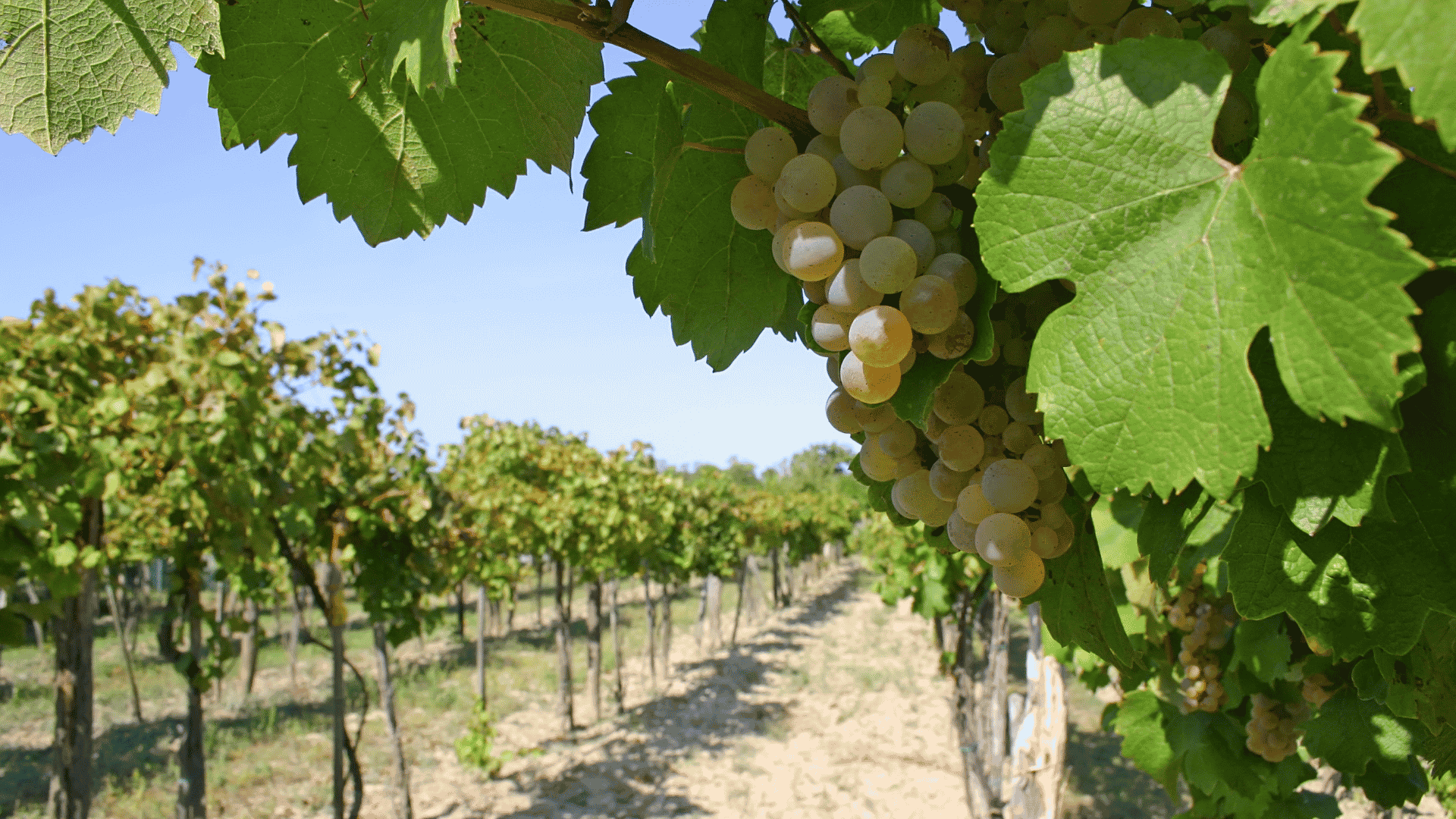
Viticulture is the cultivation of grapevines, and it is where every bottle of wine truly begins. Long before anyone thinks about barrels or fermentation, a grower is making decisions in the vineyard that will echo all the way to your glass. Winemakers have a saying that great wine is made in the vineyard, and viticulture is the discipline behind that idea. It draws on botany, soil science, climatology, and generations of hands-on experience.
What a Viticulturist Actually Does
A viticulturist, sometimes called a grower or vineyard manager, is responsible for the health and productivity of the vines. That work is remarkably varied and spans the entire growing season. Their responsibilities typically include:
- Choosing which grape varieties and rootstocks to plant for a given site
- Deciding how to prune, train, and space the vines
- Managing water, whether through irrigation or careful dry farming
- Protecting the vines from pests, disease, frost, and extreme heat
- Judging exactly when the grapes have reached ideal ripeness for harvest
That last decision is one of the most important in the entire process. Pick too early and the wine can taste green and sharp; pick too late and it can turn heavy and lose freshness. A skilled viticulturist reads the vineyard almost like a language, balancing sugar, acidity, and flavor to bring the fruit in at just the right moment.
How Climate and Soil Shape the Vine
Where a vine grows matters enormously. The combination of climate, soil, sunlight, elevation, and slope gives a wine its sense of place, a concept the wine world calls terroir. A cool, high-elevation site tends to produce grapes with brighter acidity and more restraint, while a warm, sunny valley often yields riper, fuller, more powerful fruit.
The soil plays its own quiet role, influencing how the vine takes up water and nutrients and, in turn, the character of the fruit. If you would like to go deeper on this fascinating relationship, our guide to terroir and how soil influences flavor is a great next read.
Viniculture: Turning Grapes Into Wine
If viticulture is about growing the grapes, viniculture is the larger world that surrounds and includes them. The word comes from the Latin "vinum," meaning wine, and in its fullest sense it covers the science and study of grapes and wine together. In casual conversation, though, most people use viniculture to point specifically at what happens after the harvest, when those carefully grown grapes are transformed into wine.
That transformation is its own art form. Once the fruit arrives from the vineyard, the work moves into the winery, where the winemaker takes over from the grower. This is where crushing, pressing, fermentation, aging, and blending all come into play, and where countless small choices shape the final style of the wine.
Where Grape Growing Ends and Winemaking Begins
The handoff from vineyard to cellar is the clearest way to picture the difference between the two terms. Viticulture ends, more or less, when the grapes are picked. Viniculture, in the way the word is most often used, picks up right there and carries through everything that follows:
- Crushing and pressing the grapes to release their juice
- Fermenting the juice, where yeast converts sugar into alcohol
- Aging the wine, often in stainless steel, concrete, or oak
- Blending different lots or varieties to achieve a target style
- Bottling the finished wine
You will sometimes hear the word enology, or oenology, used for this winemaking side of things, and an enologist is a wine scientist. In practice, viticulture, viniculture, and enology overlap constantly, and many wineries treat them as one continuous craft rather than separate departments. The tidy definitions matter less than understanding that a wine is the product of both a farmer's year in the field and a winemaker's decisions in the cellar.
Why the Distinction Shows Up in Your Glass
Here is where this all becomes genuinely useful when you are standing in front of a shelf of bottles. Because both the growing and the making shape the wine, choices at either stage can change what you taste. A grower who dry farms rather than irrigates, or who farms organically rather than conventionally, produces different fruit to begin with. A winemaker who ages in new oak rather than steel, or who ferments cool rather than warm, takes that fruit somewhere different still.
This is why two producers working with the same grape in the same region can make wines that feel like distant relatives rather than twins. Farming philosophy is a big part of that story, and if you have ever wondered what the labels really mean, our explainer on organic, natural, and dry-farmed wine breaks down how these vineyard choices affect the wine in your glass. Once you start noticing these threads, wine becomes a much richer and more rewarding thing to explore.
How to Taste the Difference
You do not need a degree to start tasting the fingerprints of viticulture and viniculture. A few gentle prompts can sharpen your palate over time. When you open your next bottle, try asking yourself where the wine seems to sit on a few simple spectrums.
- Does the fruit taste bright and tart, or ripe and jammy? That often points back to climate and picking decisions in the vineyard.
- Do you notice vanilla, baking spice, or toast? Those usually come from oak aging, a winemaking choice.
- Is the wine lean and refreshing, or rich and rounded? That can reflect both where the grapes grew and how the wine was made.
There are no wrong answers here. The goal is simply to connect what you taste to the two great stages behind it, and to notice which styles you gravitate toward. Over a few bottles, you will start to build a personal map of what you love and why.
Ask the Team at Metro Wines
The wonderful thing about wine is that you never have to figure it out alone. There is always a sommelier on duty at Metro Wines, and our staff genuinely enjoys talking through how a wine was grown and made, then pointing you toward bottles that match your taste and your table. If you want to take a deeper dive, the Asheville School of Wine offers classes that cover everything from the vineyard to the cellar. And when you would rather leave the cooking to someone else, our sister restaurant, Quench! Wine Bistro in Reynolds Village, pairs a farm-to-table menu with a thoughtful wine list that puts a lot of these ideas on the plate and in the glass.
Frequently Asked Questions About Viniculture and Viticulture
What is the difference between viticulture and viniculture?
Viticulture is the practice of growing grapes, everything that happens in the vineyard up to harvest. Viniculture is a broader term that includes grape growing but is most often used to describe the full process of turning those grapes into wine, including fermentation and aging.
Is viniculture the same as viticulture?
Not quite. They overlap, and people often use them loosely, but viticulture focuses specifically on cultivating the vines, while viniculture generally spans both the growing and the winemaking side of the craft.
What does a viticulturist do?
A viticulturist manages the health and productivity of the grapevines. That includes choosing what to plant, pruning and training the vines, managing water, protecting against pests and weather, and deciding the ideal moment to harvest.
Why does grape growing affect how a wine tastes?
Because the character of the fruit is set in the vineyard. Climate, soil, sunlight, and farming choices all shape the grapes' ripeness, acidity, and flavor before a winemaker ever touches them, which is why growers say great wine is made in the vineyard.
Bringing It All Together
Viticulture and viniculture are two halves of the same beautiful story: one rooted in the soil and the seasons, the other unfolding in the winery. Knowing the difference will not just help you sound knowledgeable at a dinner party; it will help you understand why you love the wines you love and how to find more of them. Next time a bottle delights you, take a moment to appreciate both the year in the vineyard and the craft in the cellar that made it possible. And if you would like a hand exploring wines that show off great growing and great winemaking, contact us or stop by the shop. We would love to help.