

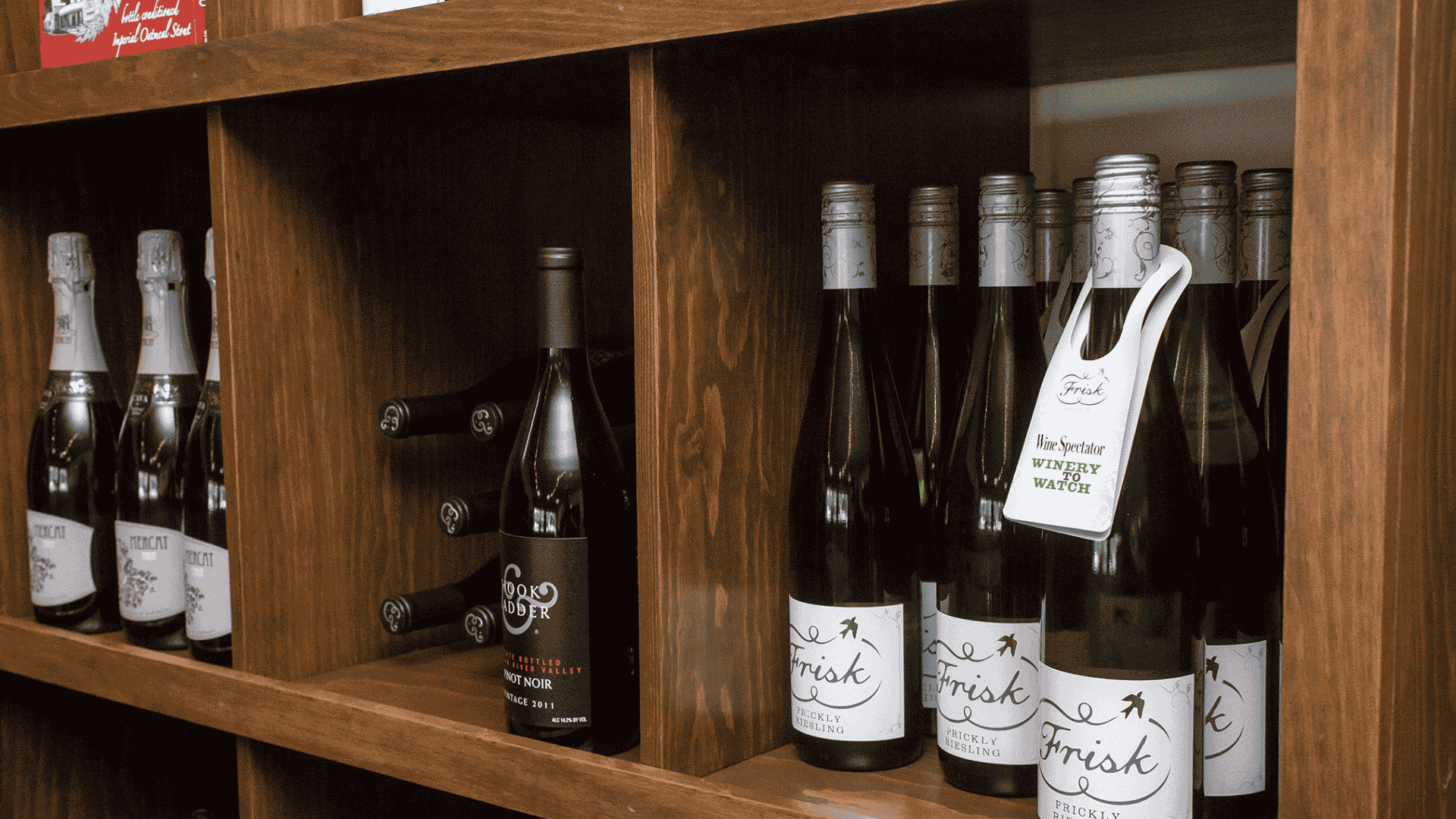
At Metro Wines, we've long believed that how a wine is made matters as much as how it tastes. Fortunately, in most cases, sustainable practices and superior flavor go hand in hand. Whether you're a committed environmentalist or simply someone who wants to drink well and feel good about it, understanding sustainable winemaking will help you find bottles you'll love while supporting the farmers and winemakers doing things right.
Quick Summary
- Organic viticulture eliminates synthetic pesticides and fertilizers from the vineyard, letting the land express itself naturally
- Biodynamic farming takes a whole-farm approach, treating the vineyard as a living ecosystem guided by biodiversity and natural cycles
- Dry farming forgoes irrigation, forcing vines to develop deep root systems and producing wines with concentrated, complex flavors
- What these certifications mean for your shopping decisions and how to spot them on a label
- How Metro Wines curates sustainably produced bottles and why sister restaurant Quench! Wine Bistro shares this same commitment to mindful sourcing
Why Sustainable Winemaking Is Having a Moment
Consumer interest in sustainable wine has grown steadily over the past decade, but the past few years have accelerated things considerably. According to a Wine Intelligence report, a growing majority of wine consumers say environmental responsibility influences their purchasing decisions. That's not just a passing trend; it reflects a deeper cultural shift toward accountability in the food and beverage industry.
What makes this especially interesting is that sustainable winemaking isn't a sacrifice. The best arguments for organic, biodynamic, and dry-farmed wines aren't philosophical — they're in the glass. Vineyards that work with their natural environment rather than against it tend to produce grapes that are more expressive of their specific place. Healthier soil microbiomes, lower chemical interventions, and stressed-but-resilient vines often translate directly to wines with greater complexity, better balance, and a more authentic sense of terroir. The planet wins, and so does your palate.
For those of us in Asheville, this conversation feels particularly relevant. Our community has always valued craft, locality, and environmental stewardship. It makes sense that the same values we bring to choosing a restaurant or buying produce would extend to the wine on our table.
Organic Viticulture: Growing Without the Chemicals
Organic farming in the vineyard means eliminating synthetic pesticides, herbicides, and fertilizers in favor of natural alternatives. Instead of spraying chemical fungicides, organic growers might use copper sulfate or sulfur. Instead of synthetic fertilizers, they build soil health through composting and cover crops. The goal is a living, biologically active soil that feeds the vine naturally rather than forcing growth through chemical shortcuts.
In the United States, wine labeling around organics works in two tiers:
- "Organic wine" means USDA-certified farming with no added sulfites
- "Made from organic grapes" means certified organic farming with minimal sulfites allowed for preservation — this is the standard for most European organic wines and many that are made to age
The USDA's National Organic Program governs certification, and third-party certifiers like Oregon Tilth or California Certified Organic Farmers (CCOF) verify compliance. The practical effect in the vineyard is significant. Without chemical shortcuts, organic farmers have to pay closer attention to what's happening in their soil and among their vines. That attentiveness, over time, produces something that's hard to manufacture: a genuine connection between the land and the wine it yields. If you want to go deeper on the distinctions between organic, natural, and dry-farmed wines, our blog on organic vs. natural vs. dry-farmed wine covers each category in detail.
Biodynamic Farming: The Whole-Farm Philosophy
Biodynamic farming takes organic principles and layers on a deeper ecological philosophy. Developed in the 1920s by Austrian philosopher Rudolf Steiner, biodynamic agriculture treats the farm as a self-sustaining organism. Every element — the soil, the plants, the animals, the compost — is considered part of an interconnected system. Nothing exists in isolation, and nothing is wasted.
In practical terms, biodynamic viticulture involves several distinctive practices:
- Herbal and mineral preparations — fermented plant matter, silica, yarrow, and chamomile applied in small quantities to enhance soil vitality and plant immunity
- Active biodiversity — wildflowers, cover crops, livestock, and hedgerows are all part of the farm's ecosystem rather than obstacles to be eliminated
- Lunar planting calendars — many biodynamic farmers time vineyard activities according to root, flower, fruit, and leaf phases
Whether or not you find the lunar calendar compelling, the underlying principle — that timing and natural cycles matter — resonates with growers who see their vineyards as living systems rather than production facilities. Demeter International is the primary certifying body for biodynamic agriculture, and its standards go well beyond what organic certification requires. The connection between biodynamic farming and terroir is particularly noteworthy: when a vineyard is managed as a living ecosystem with minimal external inputs, the resulting wines often display a remarkable sense of place. Our post on terroir and how soil influences flavor explores exactly why that matters in the bottle.
Some of the world's most celebrated producers practice biodynamic farming, including Domaine Leroy in Burgundy, Nikolaihof in Austria, Zind-Humbrecht in Alsace, to name a few; and their wines are often considered among the finest expressions of their respective regions.
Dry Farming: Less Water, More Intensity
Dry farming is exactly what it sounds like: growing grapes without supplemental irrigation, relying entirely on rainfall and the vine's own ability to find water deep in the soil. In regions with wet winters and dry summers — California's Sonoma Coast, parts of Spain, southern Italy, much of France — dry farming is the historical norm. In the U.S., however, irrigation became standard practice during the 20th century, and many modern vineyards depend on it heavily.
When a vine isn't being watered from above, it has no choice but to send its roots deeper in search of moisture. Those deep root systems, which can extend 20 to 30 feet or more into the earth, access a wider range of minerals and micronutrients than shallow-rooted, irrigated vines. The result is measurable:
- Smaller, more concentrated grapes with a higher skin-to-juice ratio
- Greater mineral complexity drawn from deeper geological layers
- Naturally lower alcohol relative to flavor intensity, as sugars develop more slowly
- A truer expression of place, since the vine is drawing from the specific geology beneath it rather than from surface-level irrigation
If you've ever wanted to understand dry farming more deeply, we covered it thoroughly in our dedicated post on what dry-farmed wine means and why it matters. At Metro Wines, we carry a selection of dry-farmed bottles precisely because their quality speaks for itself.
What These Labels Mean When You're Shopping
Walking into a wine shop with a commitment to buying sustainably can feel overwhelming if you don't know what to look for. Labels can be confusing, and not every sustainably farmed wine is certified. The certification process is expensive, and some excellent small producers operate organically or biodynamically without pursuing official paperwork.
Here's what to keep in mind:
- "Organic" on a U.S. label means USDA certified, no synthetic inputs in the vineyard, and no added sulfites
- "Made from organic grapes" means certified organic farming but allows minimal sulfites for preservation — this is actually more common for wines made to age
- "Biodynamic" with the Demeter seal is the gold standard for whole-farm ecological farming
- "Sustainable" is less regulated and varies widely by region and certifier; look for specific third-party certification programs like LIVE (Oregon), SIP Certified (California), or CSWA
- No certification doesn't mean no care — ask your wine shop about specific producers they trust
That last point is where a shop like Metro Wines becomes invaluable. Our staff knows the producers behind the bottles on our shelves. We can tell you which growers farm organically without certification, which regions have a cultural tradition of dry farming, and which labels are worth the premium. If you're ever unsure, ask — that's exactly what we're here for. You can also browse our sommelier Q&A for a sense of the kinds of questions our team loves to answer.
How Metro Wines Curates Sustainably Made Wines
Sustainability has always been part of how we think about our selection at Metro Wines. It's not a marketing angle: it's a reflection of genuine curiosity about where wine comes from and how it's made. When we bring in a new producer, we're asking questions about farming practices, winemaking interventions, and the philosophy behind the bottle. That means our shelves include a thoughtful mix of certified organic wines, biodynamic selections, and dry-farmed bottles from regions where that practice is embedded in tradition.
We're also proud to be part of a broader community of like-minded businesses in Asheville. Our sister restaurant, Quench! Wine Bistro, shares this commitment to thoughtful sourcing. Chef Sam's farm-to-table menu draws on the same principles that guide sustainable viticulture: respect for seasonality, local partnerships, and a belief that quality ingredients don't need to be overworked to shine. If you've picked up a bottle of something special at Metro Wines, Quench! is the perfect place to open it over a meal that does it justice.
Whether you're just beginning to explore sustainable wines or you've been seeking them out for years, we'd love to help you find exactly what you're looking for. Stop in at our Charlotte Street shop, browse our online store, or get in touch and let us know what you're after. The right bottle is waiting for you — and now you know a little more about the story behind it.
Frequently Asked Questions
What is the difference between organic and biodynamic wine?
Organic wine focuses on eliminating synthetic chemicals from the vineyard, following USDA or comparable international certification standards. Biodynamic farming includes all organic practices and adds a holistic, ecological philosophy that treats the farm as a living system. Biodynamic producers follow additional preparations, encourage on-farm biodiversity, and may work with a lunar planting calendar. Both approaches share a commitment to soil health and minimal chemical intervention, but biodynamic certification through Demeter is considerably more rigorous.
Does sustainable wine taste different from conventionally farmed wine?
Many wine professionals and enthusiasts believe it does, though the relationship is complex. Sustainable farming practices tend to produce grapes that are more expressive of their specific place because the soil is more biologically active and the vines are more deeply rooted. That said, the winemaker's touch matters enormously too. The best sustainable wines aren't better simply because they're farmed responsibly; they're better because thoughtful farming and thoughtful winemaking tend to go together.
Is dry-farmed wine always organic?
Not necessarily, though there's significant overlap. Dry farming is a specific irrigation practice, not a certification category. A vineyard can be dry-farmed and use some conventional inputs, or it can be dry-farmed and certified biodynamic. In regions where dry farming is traditional — most of southern Europe, for instance — it often coexists with low-intervention farming practices, but that's cultural rather than definitional.
Where can I find biodynamic wines in Asheville?
Metro Wines carries a selection of biodynamic wines and can source specific bottles on request. Stop in at our Charlotte Street location and ask our staff; they'll be able to point you toward biodynamic producers across a range of styles, price points, and regions. You can also contact us ahead of your visit if you're looking for something specific.
Are sustainably made wines more expensive?
They can be, particularly for certified biodynamic wines where the certification and labor-intensive farming add real costs. However, the range is wide: there are excellent certified organic wines at every price point, and many of the most interesting dry-farmed wines are extremely affordable. The key is knowing where to look and having a knowledgeable shop to guide you. At Metro Wines, we stock sustainable options across price points so that this style of wine is accessible to everyone.
Conclusion
Sustainable winemaking isn't a niche pursuit or a luxury reserved for devoted environmentalists. It's a meaningful lens for understanding why some wines taste the way they do, and it's a framework that rewards curiosity. Whether you start by reaching for an organic bottle you haven't tried before, asking about biodynamic producers, or exploring the concentrated character of a dry-farmed red, you're joining a conversation that the wine world is taking increasingly seriously.
At Metro Wines, we're here to be your guide through all of it. We’re seven years running as Asheville's top-rated wine shop, and still as passionate about finding you the right bottle as we've ever been. Come see us on Charlotte Street, visit our online store, or reach out directly. The land behind the label has a story to tell. We'd love to help you hear it.